RISING STAR Jessica Torres
RISING STAR
Jessica Torres
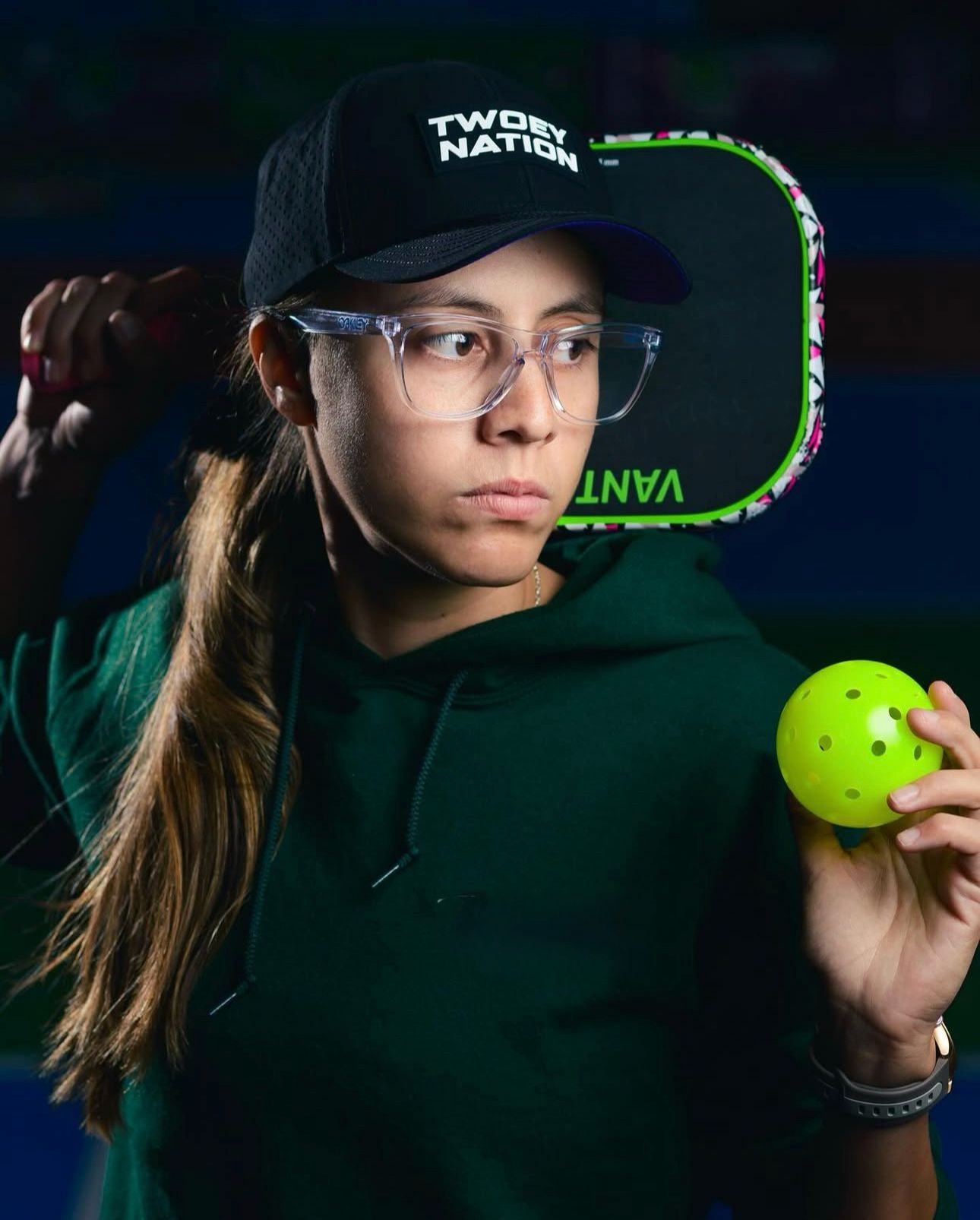
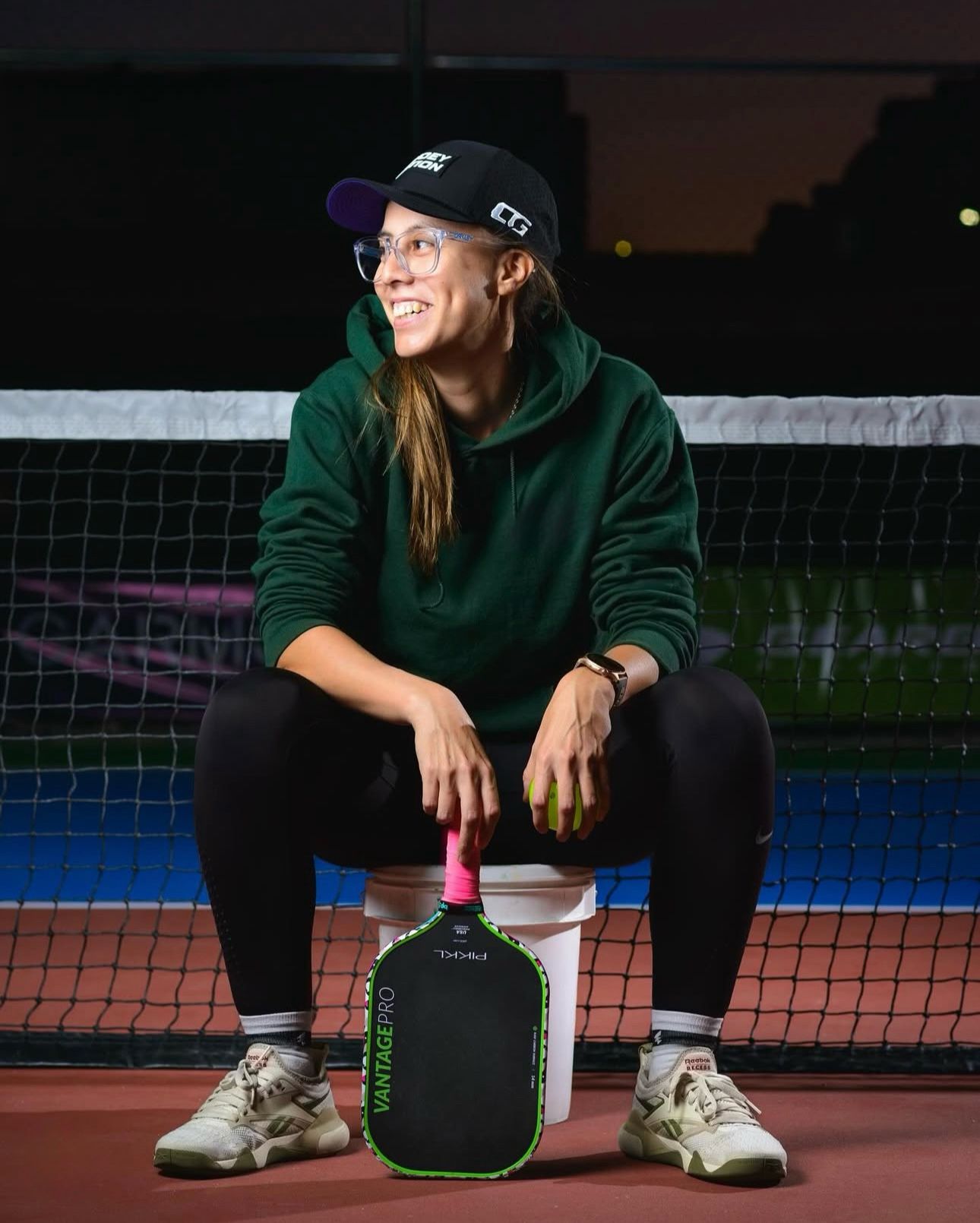
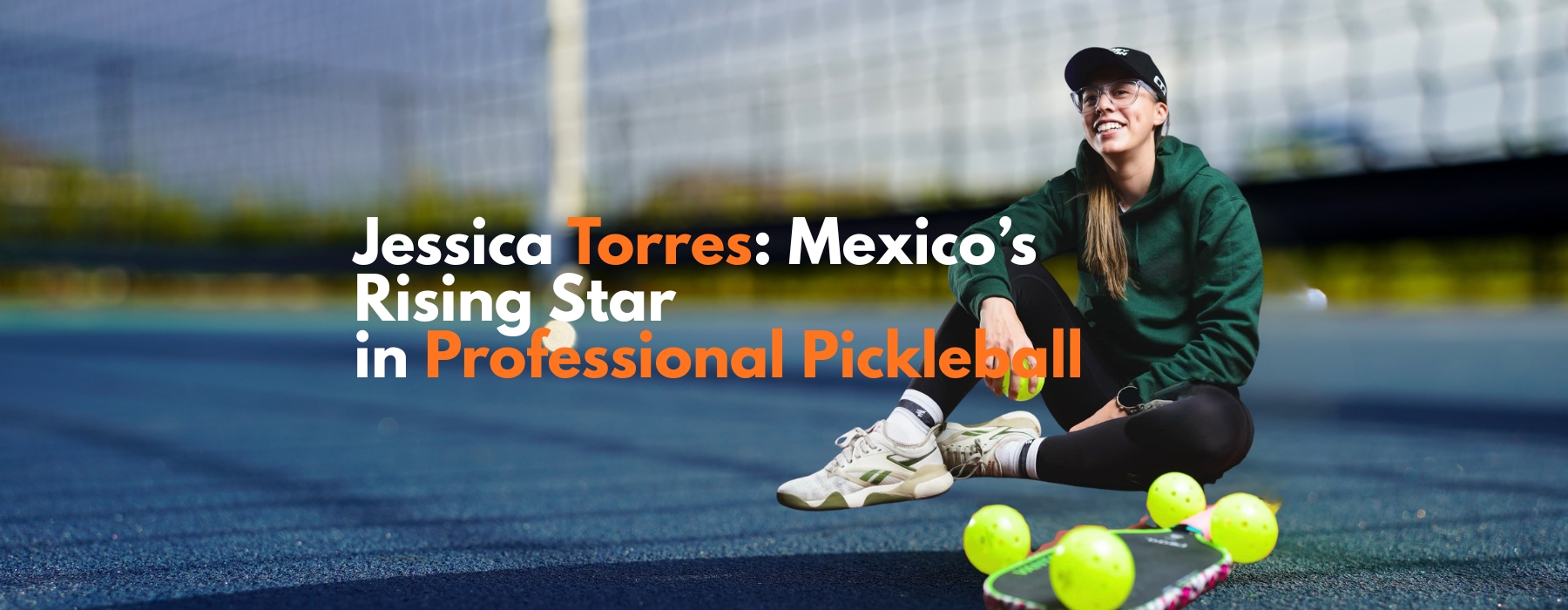
Jessica Torres represents a new generation of pickleball players rising rapidly in Latin America. With a competitive mindset, strong discipline, and an authentic passion for the sport, she has built a reputation as one of Mexico’s most promising professional players.
A Career Built on Consistency and Wins
Her trophy cabinet speaks for itself.
With 30 gold medals, 10 silver medals, and 12 bronze medals throughout 2025, Jessica has remained a dominant presence in major international tournaments such as the APV International Pickleball Cup in Miami, the Jogue Pickleball Mexico, and the Puebla Pickleball Open, where she once again secured first place.
Jessica doesn’t just win — she wins consistently, with determination and grace.
A Style That Commands Respect
Her game is a mix of agility, technical control, and sharp tactical instincts. Jessica attacks the net with confidence and defends with calm precision, dominating the kitchen line with powerful serves, accurate cross-court shots, and intelligent point construction.
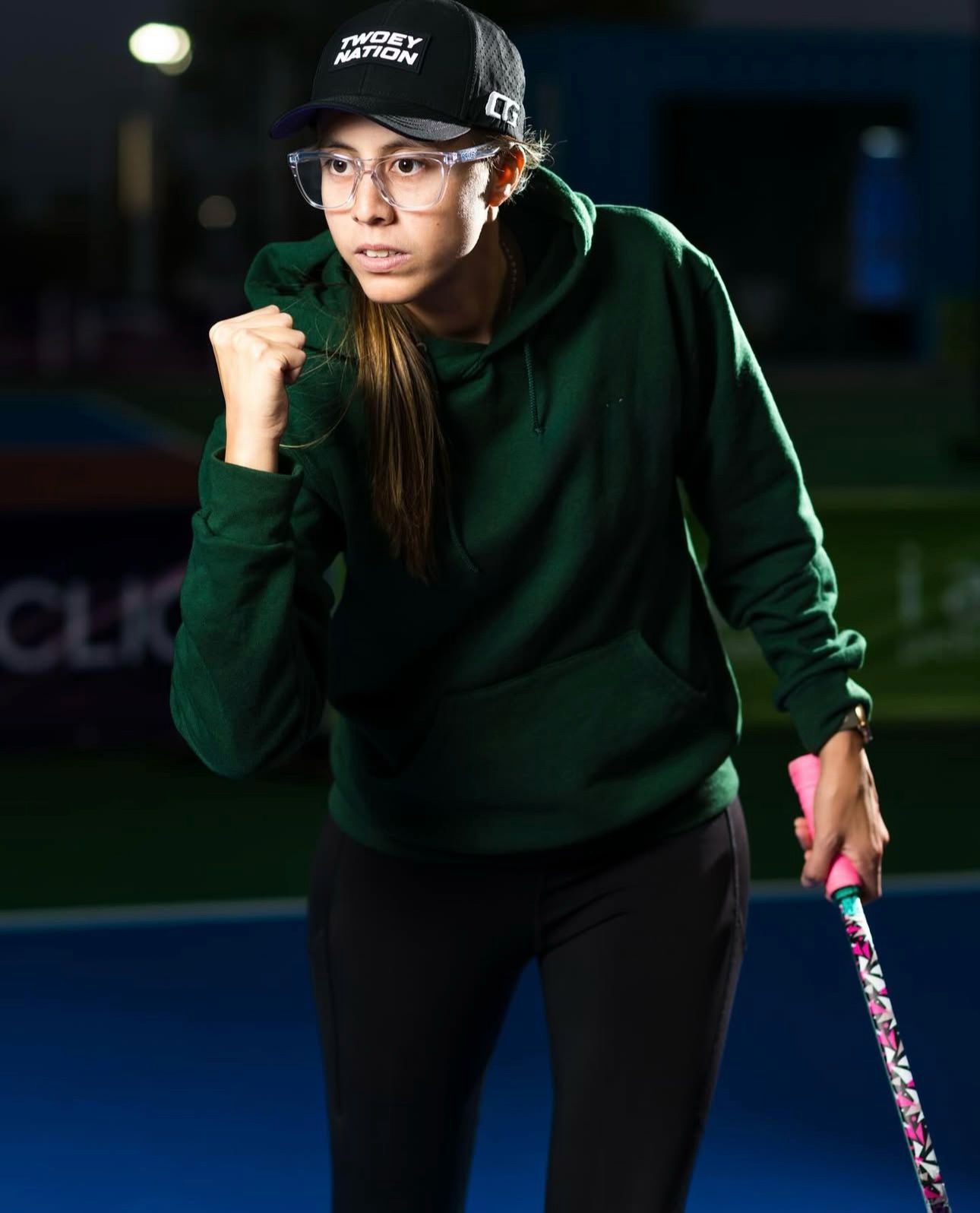
Her ability to read the game quickly and adapt during rallies makes her a difficult opponent. On court she combines fierce competitiveness with composure and respect, creating a playing style that is both aggressive and elegant.
More Than an Athlete: A Leader
Off the court, Jessica is equally committed to growing the sport.
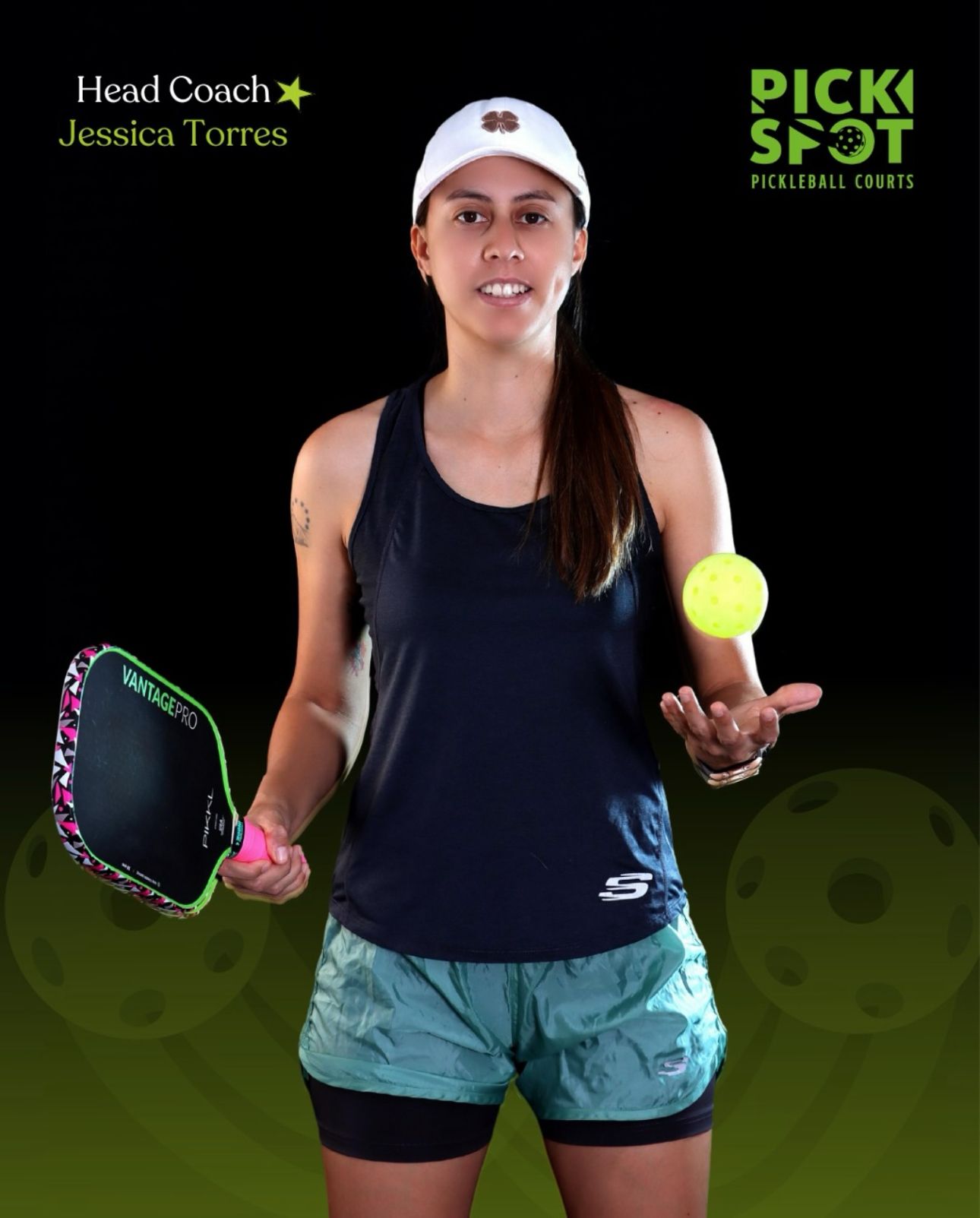
She works as a coach, mentor, and ambassador for pickleball, helping promote participation and introducing new players to the game. Her leadership inspires younger athletes and contributes to the rapid expansion of pickleball throughout Latin America.
Wherever she competes, she carries the message that the sport is about discipline, passion, and community.
Jessica Torres is not just building her own career — she is helping shape the future of pickleball in the region.
Interview
Dink Authority (DA) / Jessica Torres (JT)
DA: How did you discover pickleball, and what first attracted you to the sport?
JT:
I discovered pickleball thanks to a coworker who lives in Hawaii. He told me about the sport and tried to explain how it worked, but I didn’t fully understand it at first. I assumed it was something people only played in the United States.
A couple of months later, I saw an advertisement for a place in Querétaro where pickleball was being played. My girlfriend and I decided to take a class. After the first lesson we were curious, so we went back for a second one. Little by little we started playing open games, and the sport completely hooked me.
Pickleball is very easy to start playing, but incredibly difficult to master. You can spend hours on the court without even realizing it because you’re having so much fun. I’m also very competitive, so I immediately wanted to improve and get better every day.
DA: Coming from Querétaro, how has your journey been to position yourself among the best players in the country?
LOVE PICKLEBALL?
Get Dink Authority Magazine updates, new editions, pro stories and event alerts.
We respect your privacy. Unsubscribe anytime.
JT:
It’s been a challenging but very rewarding journey. I truly enjoy the process of improving and competing, so all the effort is worth it.
One of the things that helped me grow the most was participating in many tournaments during my first year. Constant competition allowed me to face different playing styles and identify areas where I needed to improve.
My training routine and drills with coach Toño were also fundamental. They helped me refine my technique and develop new shots that elevated my overall level of play.
DA: What does it mean to you to be ranked among the Top 10 players nationally in the Pro Women category?
JT:
For me it’s an honor and something I’m very proud of. It represents the result of the work and commitment I’ve invested over the last two years.
When I started, there were several players I admired — and still admire — and they felt unreachable. Today I can compete with them on equal terms and play very close, exciting matches. That reminds me how far I’ve come and also motivates me to keep pushing toward new goals.
DA: What does your training routine look like? What physical and mental aspects do you prioritize?
JT:
I train pickleball Monday through Friday with around two hours of drills and then I play matches afterward. On Saturdays I usually play more open games, and Sundays are my rest day.
I also follow a strength and conditioning program five days a week with a trainer who works with several professional PPA players such as Anna Bright, Hayden Patriquin, and Tyra Black. This helps me stay in shape and prevent injuries.
Once a week I work with a mental coach, where we focus on emotional preparation and neurocognitive exercises such as visual-motor coordination, reaction speed, and mental agility.
I also follow a nutrition plan designed by my nutritionist. Recovery is another key component of my routine — I regularly do stretching sessions, pressotherapy, and therapeutic massages to keep my body performing at its best.
DA: What has been the most memorable tournament of your career so far?
JT:
One of the most memorable tournaments for me was the DUPR Nationals in Venezuela in 2024.
It was special because we were able to share the court with PPA professional players like Gabriel Tardio, Judit Castillo, and Jonathan Medina Álvarez. The experience was incredibly enriching.
On a personal level it was also emotional because I hadn’t returned to Venezuela in almost nine years. Being able to go back and contribute to the growth of the sport there meant a lot to me.
DA: Who are your biggest inspirations in pickleball or other sports?
JT:
In pickleball I’ve always admired Anna Leigh Waters. Her decision-making, court vision, and mental strength are incredible.
Outside of pickleball, my lifelong sports idol has been Lionel Messi. I watched him debut with Barcelona and have followed his career ever since. What inspires me the most about him is his humility, his intelligence on the field, and how he maintained such an elite level for so many years.
DA: What do you do outside the court? Do you combine pickleball with another profession?
JT:
I work remotely as Director of Operations for a web design and development company in the United States.
It’s a demanding job and sometimes it interferes with my training schedule, but it also gives me the flexibility to travel to tournaments and continue developing as a professional player.
DA: Pickleball is growing rapidly in Latin America. How do you see the future of the sport in Mexico?
JT:
I see a very promising future.
In the two years I’ve been playing, I’ve witnessed tremendous growth in the number of players, tournaments, and courts across the country. If we organize the sport properly and continue promoting it with strong development strategies, I believe Mexico can become a powerhouse in Latin America and eventually compete at a global level.
DA: What has been the biggest challenge you’ve faced as an athlete?
JT:
One of the toughest challenges was a tournament in Miami where I competed in two categories in the same day.
I ended up playing 18 matches over 13 hours, in extremely humid and hot conditions. Physically it pushed me to the limit, and mentally it was also a huge test.
In the final of the second category everyone was exhausted, but I decided to give everything I had until the last point. In the end I managed to win gold in both categories, and that experience showed me how far both the body and mind can go when you’re fully committed to your goal.
DA: What advice would you give to a young girl starting in pickleball?
JT:
Enjoy the journey and be patient.
Results don’t come overnight. If you train with discipline, focus on drills — not just playing games — maintain good nutrition, and work on the mental side of the sport, the results will eventually come.
And most importantly: never give up.
I’ve been in matches where I was losing 10–2 and still managed to come back and win. Anything is possible if you dream big, work hard, and surround yourself with the right people.
RISING STAR
Jessica Torres
Jessica Torres represents a new generation of pickleball players rising rapidly in Latin America. With a competitive mindset, strong discipline, and an authentic passion for the sport, she has built a reputation as one of Mexico’s most promising professional players.
A Career Built on Consistency and Wins
Her trophy cabinet speaks for itself.
With 30 gold medals, 10 silver medals, and 12 bronze medals throughout 2025, Jessica has remained a dominant presence in major international tournaments such as the APV International Pickleball Cup in Miami, the Jogue Pickleball Mexico, and the Puebla Pickleball Open, where she once again secured first place.
Jessica doesn’t just win — she wins consistently, with determination and grace.
A Style That Commands Respect
Her game is a mix of agility, technical control, and sharp tactical instincts. Jessica attacks the net with confidence and defends with calm precision, dominating the kitchen line with powerful serves, accurate cross-court shots, and intelligent point construction.
Her ability to read the game quickly and adapt during rallies makes her a difficult opponent. On court she combines fierce competitiveness with composure and respect, creating a playing style that is both aggressive and elegant.
More Than an Athlete: A Leader
Off the court, Jessica is equally committed to growing the sport.
She works as a coach, mentor, and ambassador for pickleball, helping promote participation and introducing new players to the game. Her leadership inspires younger athletes and contributes to the rapid expansion of pickleball throughout Latin America.
Wherever she competes, she carries the message that the sport is about discipline, passion, and community.
Current Issue
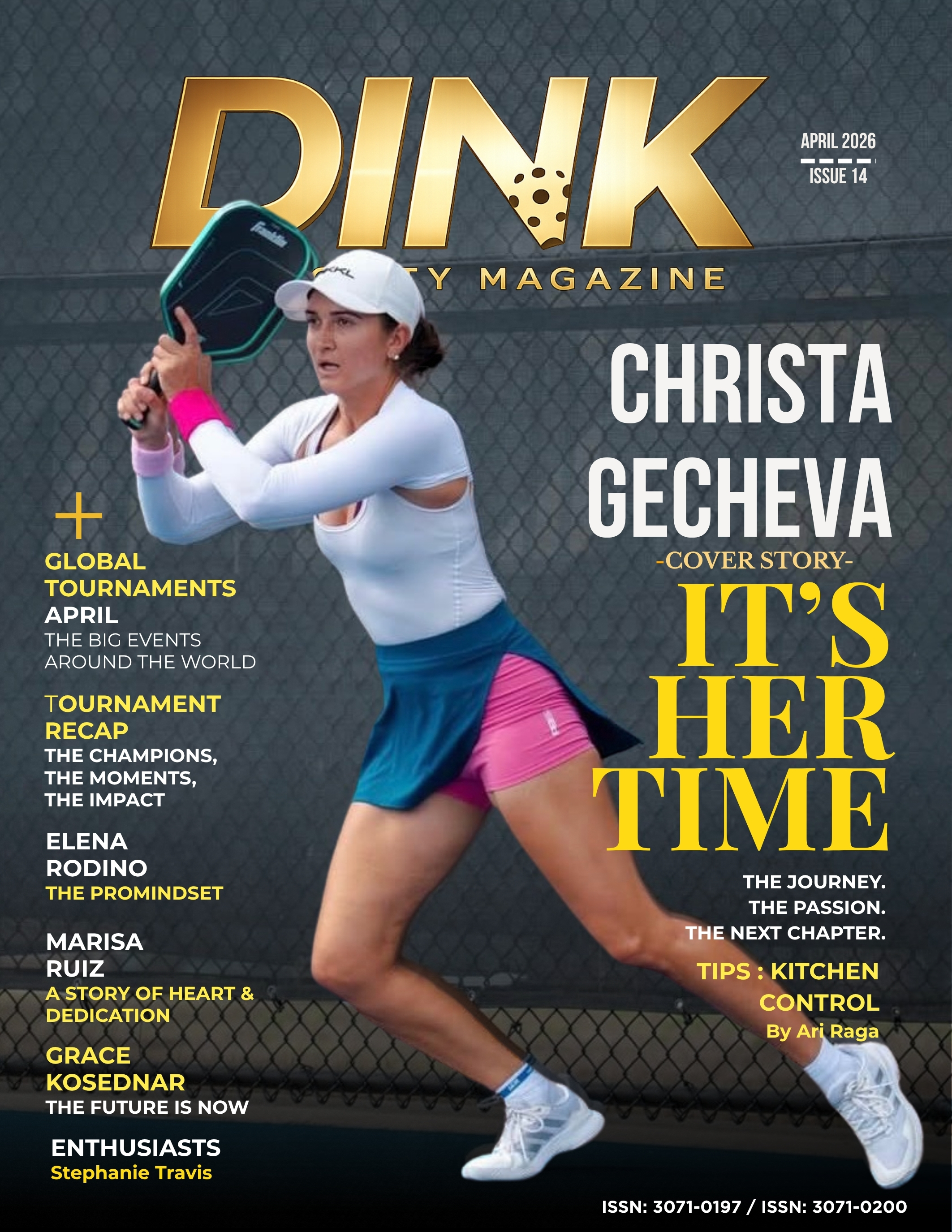
Dink Authority Magazine – April 2026
Read Now →
Jessica Torres is not just building her own career — she is helping shape the future of pickleball in the region.
Interview
Dink Authority (DA) / Jessica Torres (JT)
DA: How did you discover pickleball, and what first attracted you to the sport?
JT:
I discovered pickleball thanks to a coworker who lives in Hawaii. He told me about the sport and tried to explain how it worked, but I didn’t fully understand it at first. I assumed it was something people only played in the United States.
A couple of months later, I saw an advertisement for a place in Querétaro where pickleball was being played. My girlfriend and I decided to take a class. After the first lesson we were curious, so we went back for a second one. Little by little we started playing open games, and the sport completely hooked me.
Pickleball is very easy to start playing, but incredibly difficult to master. You can spend hours on the court without even realizing it because you’re having so much fun. I’m also very competitive, so I immediately wanted to improve and get better every day.
DA: Coming from Querétaro, how has your journey been to position yourself among the best players in the country?
LOVE PICKLEBALL?
Get Dink Authority Magazine updates, new editions, pro stories and event alerts.
We respect your privacy. Unsubscribe anytime.
JT:
It’s been a challenging but very rewarding journey. I truly enjoy the process of improving and competing, so all the effort is worth it.
One of the things that helped me grow the most was participating in many tournaments during my first year. Constant competition allowed me to face different playing styles and identify areas where I needed to improve.
My training routine and drills with coach Toño were also fundamental. They helped me refine my technique and develop new shots that elevated my overall level of play.
DA: What does it mean to you to be ranked among the Top 10 players nationally in the Pro Women category?
JT:
For me it’s an honor and something I’m very proud of. It represents the result of the work and commitment I’ve invested over the last two years.
When I started, there were several players I admired — and still admire — and they felt unreachable. Today I can compete with them on equal terms and play very close, exciting matches. That reminds me how far I’ve come and also motivates me to keep pushing toward new goals.
DA: What does your training routine look like? What physical and mental aspects do you prioritize?

JT:
I train pickleball Monday through Friday with around two hours of drills and then I play matches afterward. On Saturdays I usually play more open games, and Sundays are my rest day.
I also follow a strength and conditioning program five days a week with a trainer who works with several professional PPA players such as Anna Bright, Hayden Patriquin, and Tyra Black. This helps me stay in shape and prevent injuries.
Once a week I work with a mental coach, where we focus on emotional preparation and neurocognitive exercises such as visual-motor coordination, reaction speed, and mental agility.
I also follow a nutrition plan designed by my nutritionist. Recovery is another key component of my routine — I regularly do stretching sessions, pressotherapy, and therapeutic massages to keep my body performing at its best.
DA: What has been the most memorable tournament of your career so far?
JT:
One of the most memorable tournaments for me was the DUPR Nationals in Venezuela in 2024.
It was special because we were able to share the court with PPA professional players like Gabriel Tardio, Judit Castillo, and Jonathan Medina Álvarez. The experience was incredibly enriching.
On a personal level it was also emotional because I hadn’t returned to Venezuela in almost nine years. Being able to go back and contribute to the growth of the sport there meant a lot to me.
DA: Who are your biggest inspirations in pickleball or other sports?
JT:
In pickleball I’ve always admired Anna Leigh Waters. Her decision-making, court vision, and mental strength are incredible.
Outside of pickleball, my lifelong sports idol has been Lionel Messi. I watched him debut with Barcelona and have followed his career ever since. What inspires me the most about him is his humility, his intelligence on the field, and how he maintained such an elite level for so many years.
DA: What do you do outside the court? Do you combine pickleball with another profession?
JT:
I work remotely as Director of Operations for a web design and development company in the United States.

It’s a demanding job and sometimes it interferes with my training schedule, but it also gives me the flexibility to travel to tournaments and continue developing as a professional player.
DA: Pickleball is growing rapidly in Latin America. How do you see the future of the sport in Mexico?
JT:
I see a very promising future.
In the two years I’ve been playing, I’ve witnessed tremendous growth in the number of players, tournaments, and courts across the country. If we organize the sport properly and continue promoting it with strong development strategies, I believe Mexico can become a powerhouse in Latin America and eventually compete at a global level.
DA: What has been the biggest challenge you’ve faced as an athlete?
JT:
One of the toughest challenges was a tournament in Miami where I competed in two categories in the same day.
I ended up playing 18 matches over 13 hours, in extremely humid and hot conditions. Physically it pushed me to the limit, and mentally it was also a huge test.
In the final of the second category everyone was exhausted, but I decided to give everything I had until the last point. In the end I managed to win gold in both categories, and that experience showed me how far both the body and mind can go when you’re fully committed to your goal.
DA: What advice would you give to a young girl starting in pickleball?
JT:
Enjoy the journey and be patient.
Results don’t come overnight. If you train with discipline, focus on drills — not just playing games — maintain good nutrition, and work on the mental side of the sport, the results will eventually come.
And most importantly: never give up.
I’ve been in matches where I was losing 10–2 and still managed to come back and win. Anything is possible if you dream big, work hard, and surround yourself with the right people.
Gallery