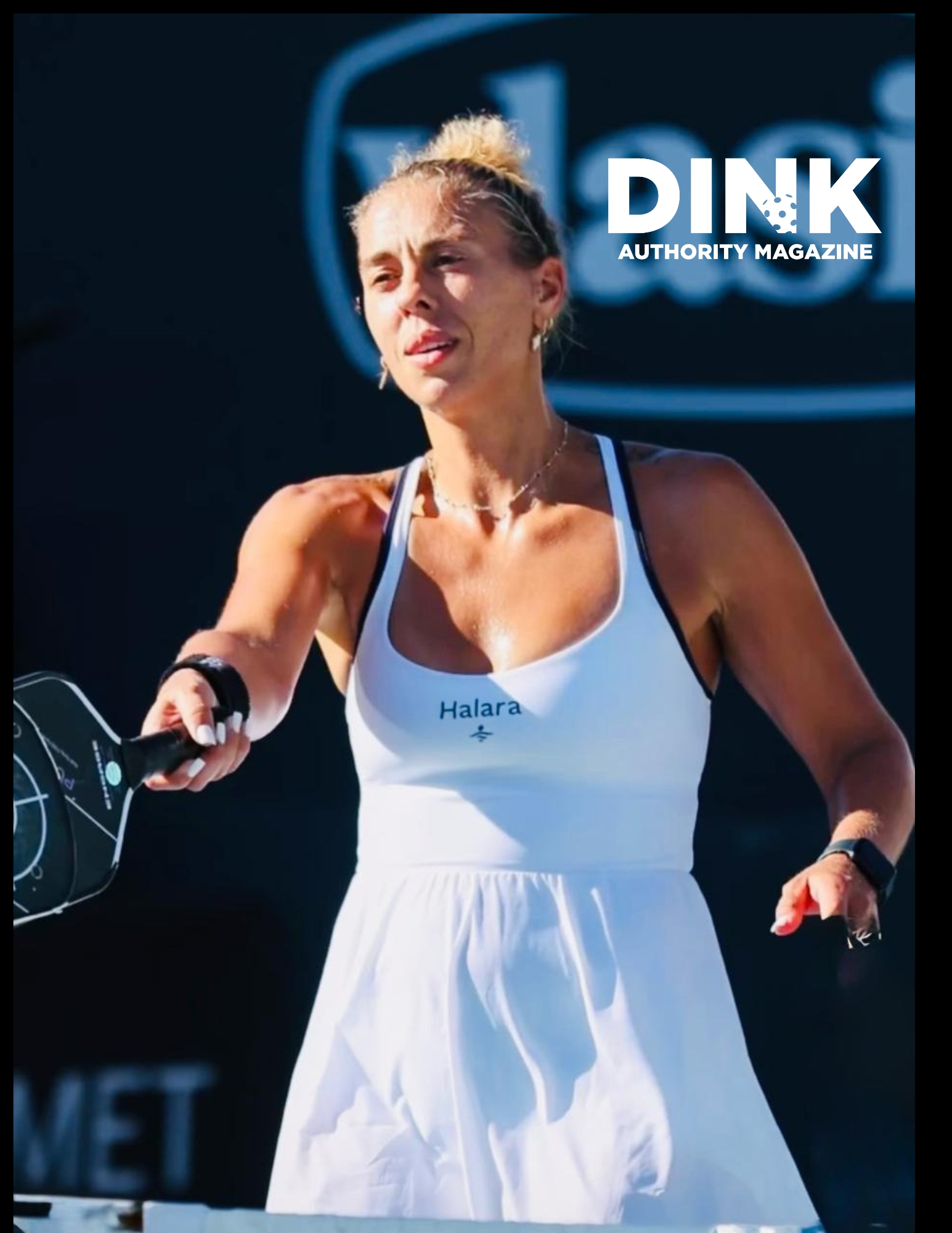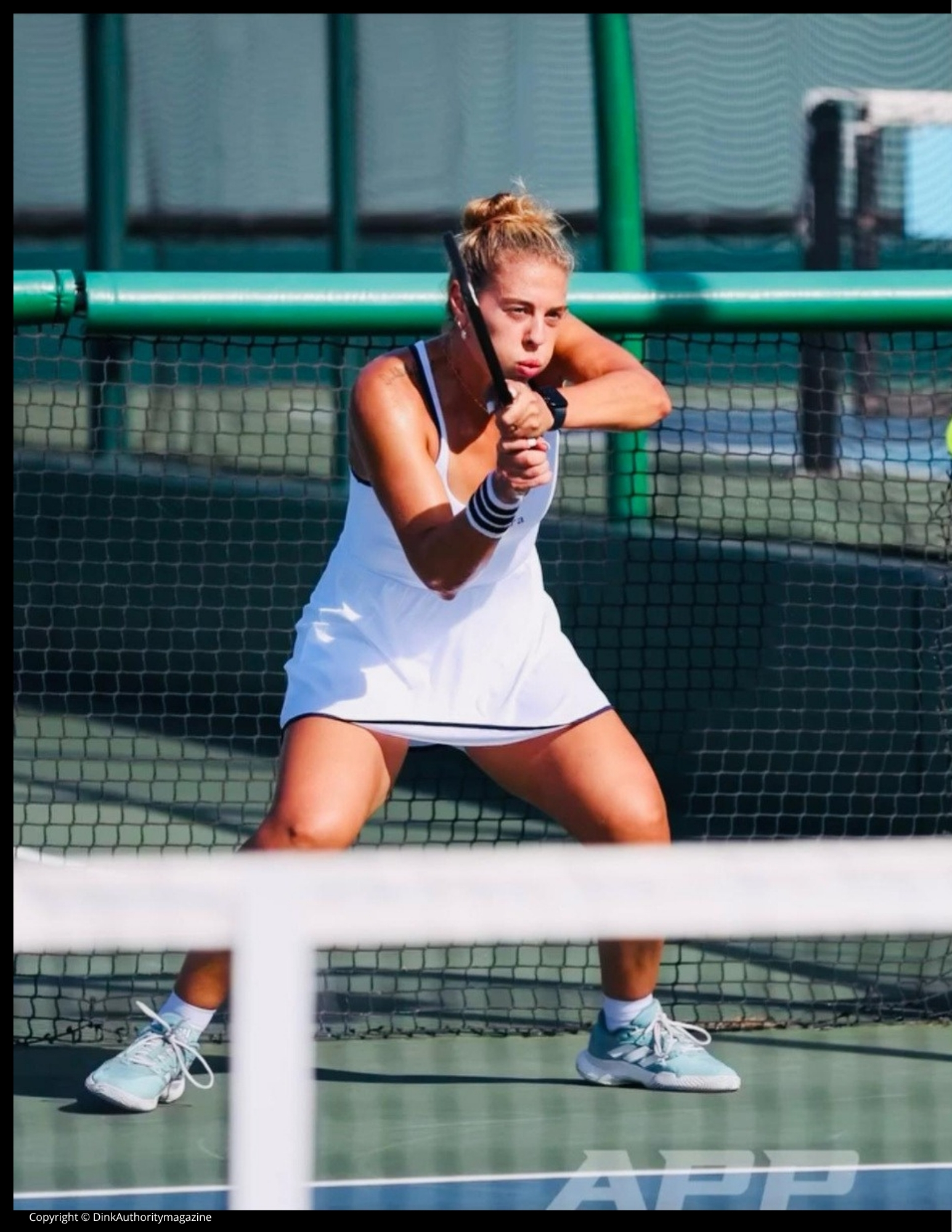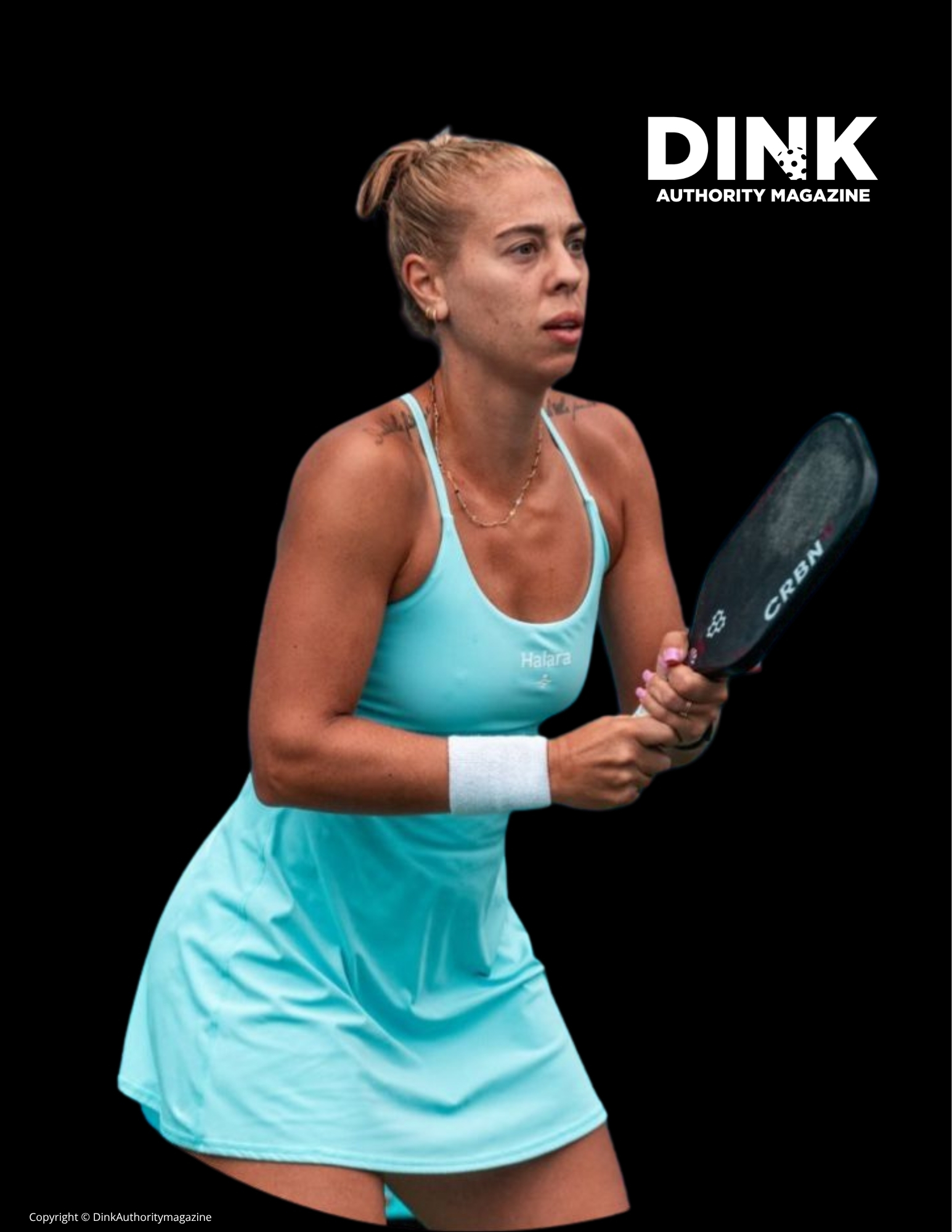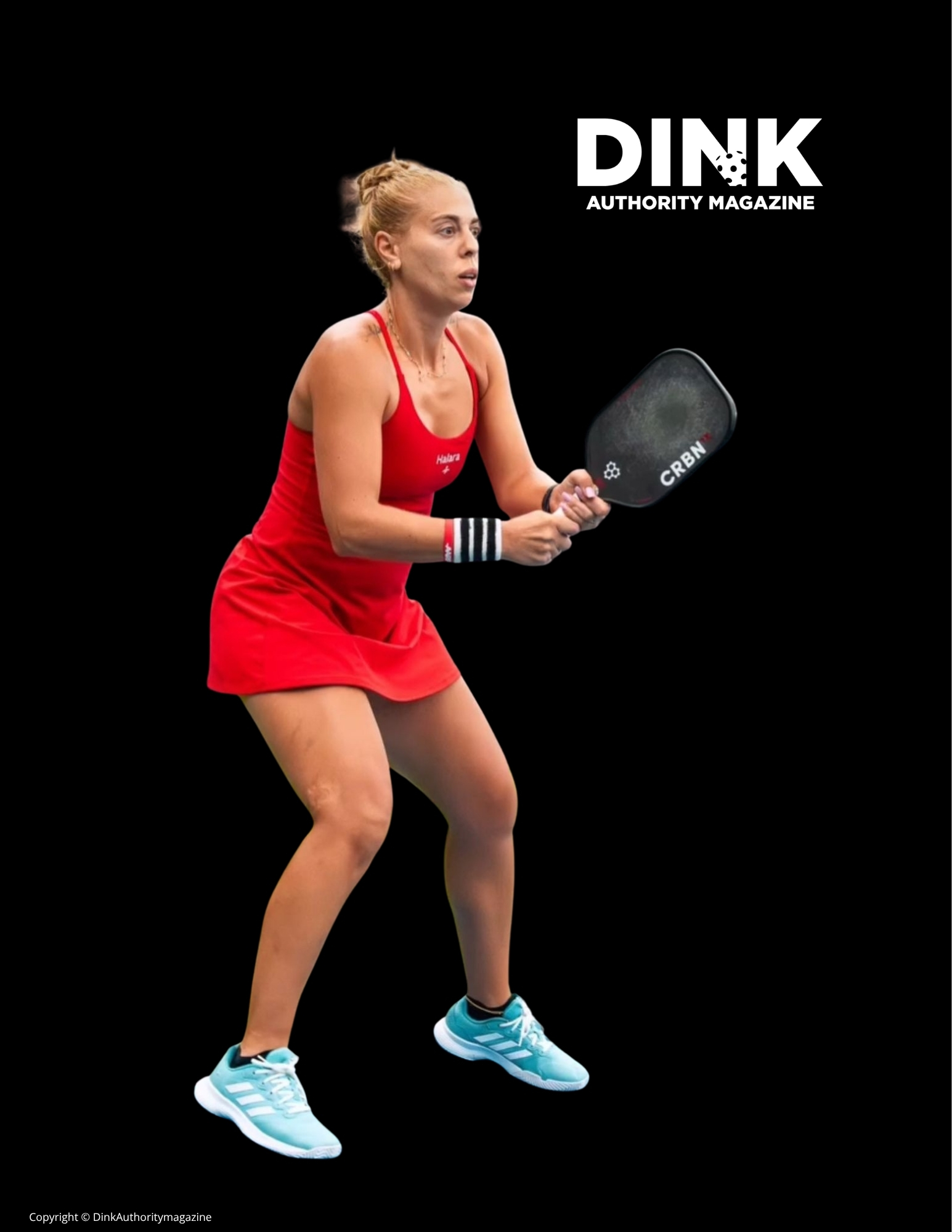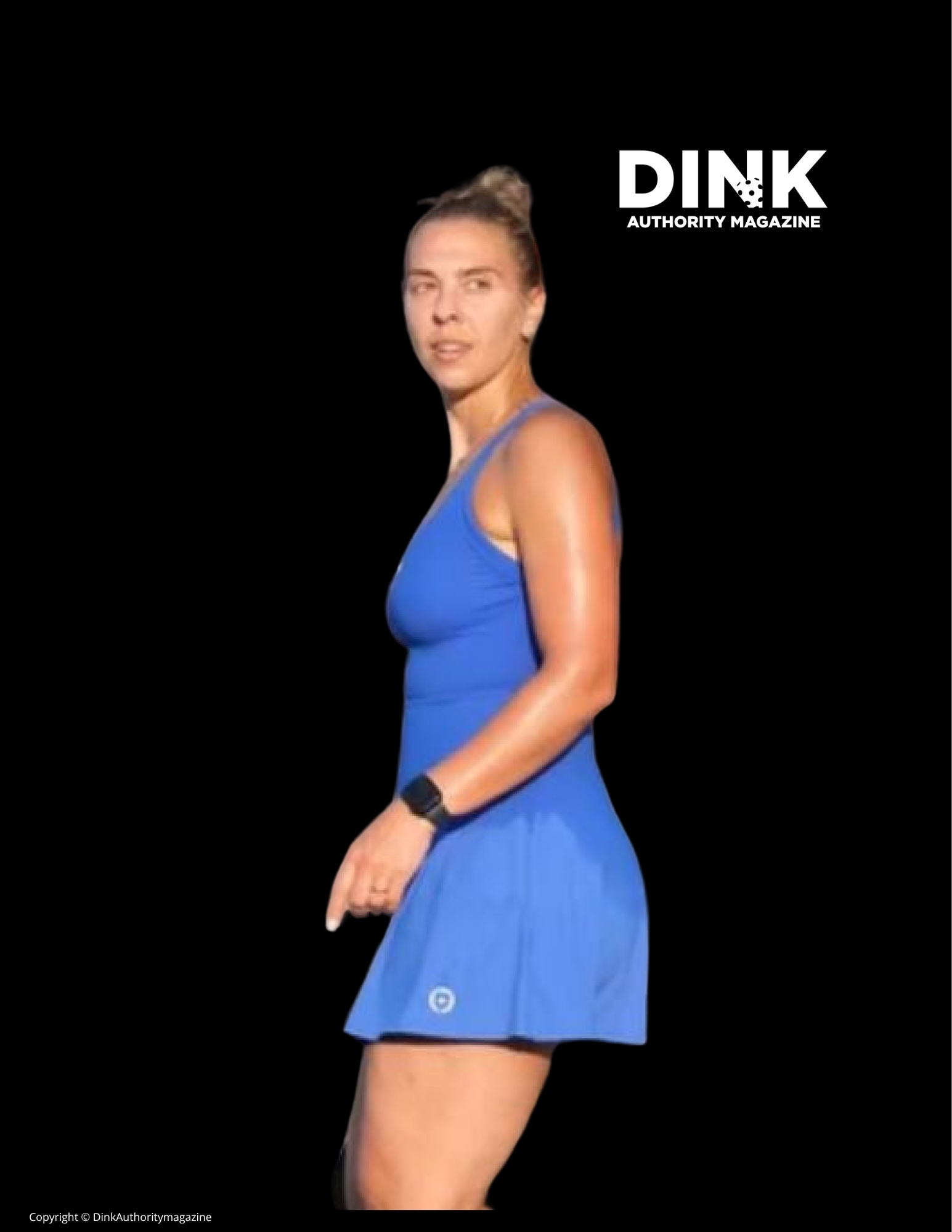
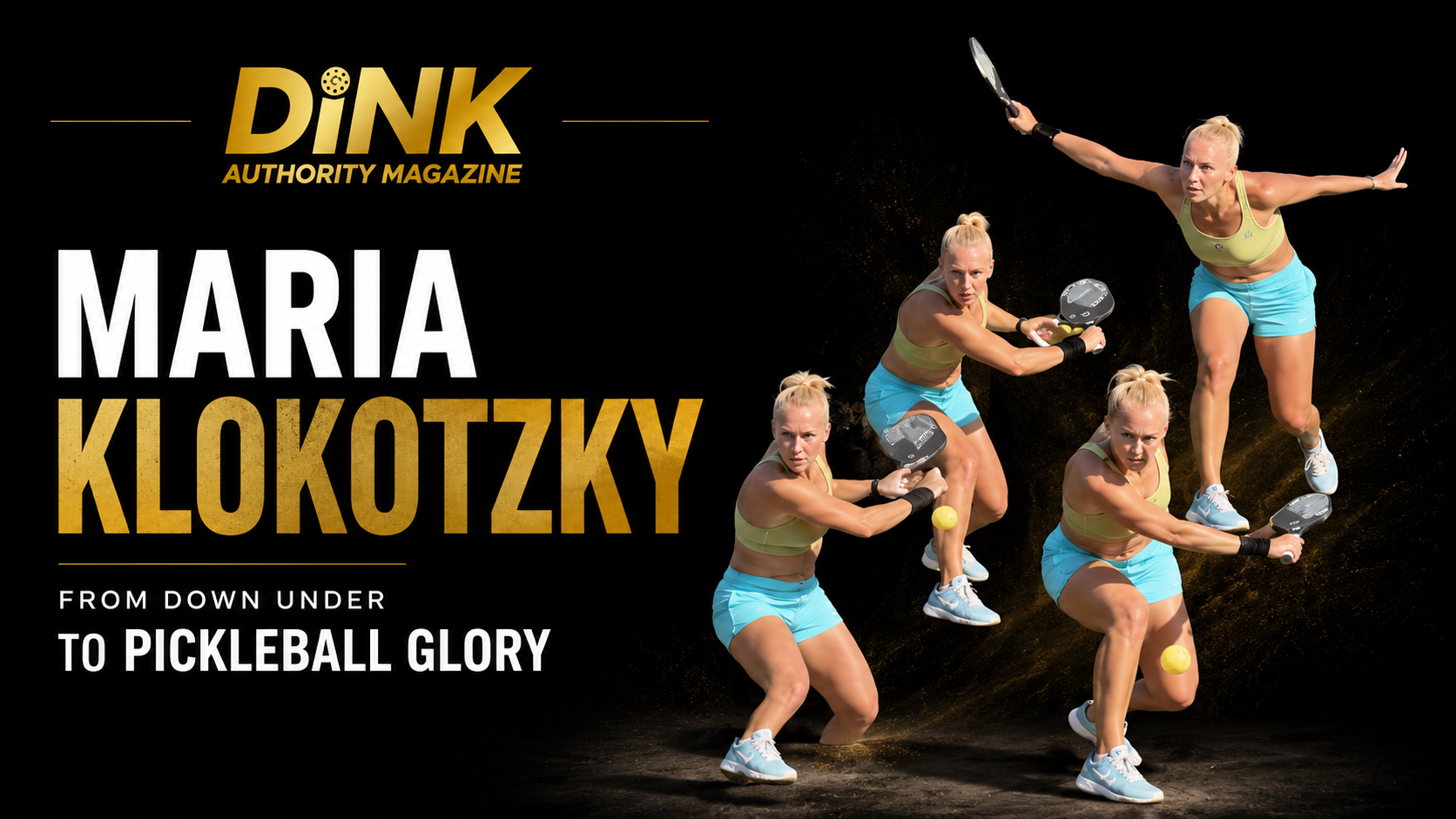
Maria Klokotzky: Tennis Champion Turned Pickleball Pro
There is a specific kind of person who thrives under pressure — not despite it, but because of it. Someone who looks at a challenge and sees not a reason to hesitate, but a reason to lean in harder. Someone who carries multiple demanding lives simultaneously and somehow makes each one better by the presence of the others.
Maria Klokotzky is that person.
At a glance, her biography reads like fiction. NCAA Division I tennis player at the University of Louisville. Police officer. College professor. Mother of two young children. And now — just two years after picking up a pickleball paddle for the first time — a rapidly ascending force in both the Canadian and international professional circuits.
She is proving, with every match and every title, that it is never too late to start. And that when you arrive with the right foundation, the right mindset, and the right fire, the sport will meet you exactly where you are.
The Beginning: A New Challenge, A Familiar Fire
Maria discovered pickleball the way many great athletes discover it — through someone else's invitation and her own immediate recognition that this was something worth taking seriously.
"I discovered pickleball while hitting tennis balls with Ted Thompson, who used to sponsor me through Tennis back in my junior tennis days. He kept going on and on about how amazing pickleball was. Honestly, I thought it was a sport for older people. At the end of our practice, he pulled out two pickleball paddles and said 'Just give it 20 minutes.' And I did."
Twenty minutes was all it took.
"And immediately, the sport intrigued me. What really made me fall in love was the fact that it was a brand-new challenge — physically, yes, but even more so mentally. The rules were a lot odd at first, but they intrigued me, and I loved that: hitting soft shots, dinking instead of blasting every ball like in tennis. It felt unnatural, but I was determined to master it. And here I am, three years later, and always in love with the game and always striving to get better."
That last sentence says everything about who Maria Klokotzky is. Not satisfied. Never coasting. Always striving.
A Stellar Start on the Professional Stage
Maria's debut on the Professional Pickleball Association Tour was nothing short of spectacular. At her first tournament, she secured a victory over the 20th seed, Alix Truong, with a score of 11-8, 9-11, 11-2. A debut win against a seeded player is rare. A debut win executed with that level of composure and tactical maturity is rarer still.
It announced her arrival not as a hopeful newcomer, but as a legitimate contender — someone who had done the work, understood the game, and was ready to compete at the highest level.
LOVE PICKLEBALL?
Get Dink Authority Magazine updates, new editions, pro stories and event alerts.
We respect your privacy. Unsubscribe anytime.
Dominating the Canadian Scene
Before taking on the international stage, Maria built an extraordinary foundation in Canada. Partnering with Etienne Blaszkewycz, she climbed to the top spot in the Canadian Pickleball Association mixed doubles rankings, amassing over 1,000 CPA points. Their synergy on the court set a high standard for other duos in the league.
Her individual achievements tell the same story. Triple Crown Champion across Canadian Pickleball Association events. Top 15 in APP Singles. Ranked 15th in the Association of Pickleball Players singles category. Top 50 in World Singles, securing the 37th position globally in singles according to DUPR rankings. Mixed Doubles Champion, clinching the NAPP mixed doubles title.
These are not the results of someone dabbling in a new sport. These are the results of a complete athlete who transferred an elite competitive foundation into pickleball and immediately began maximizing it.
The Most Challenging Match: Mental Toughness Above All
When we asked Maria about the most challenging match of her career so far, her answer revealed exactly the kind of competitor she is.
"I can't really point to one single match as the most challenging. Every match I play challenges me in different ways. Competing at a high level means my brain is on fire from tournament to tournament. Every match is mentally draining. Adapting in a whole art in itself. I'm a single mom of two and above pickleball. So it's totally normal that right before a match one of my players has to go to the bathroom, is hungry, or just needs a hug. I give them what they need or find someone to help, and then I have to flip the switch mentally and go into full competitor mode."
She continued with something that speaks to a level of mental discipline that goes far beyond sport:
"I'll get a cold-ish warmup asking where a specific pair of shoes are — sounds silly, but for a mom like me, that external chaos removes priority over even a medal match. And then there are all the other pressures that come with the sport — managing nerves, making decisions in a split second, adjusting as the set escalates. All of that affects your performance on the court. Being mentally strong and staying calm with all the chaos — that's the real challenge. We're all just out here trying to be the best version of pickleball we can be."
What Keeps Her Strong
We asked Maria what parts of her training she considers most essential — physically and mentally.
"Honestly, I don't go by any specific formula. It's about staying disciplined. There's no magic formula — it's about showing up no matter what. When you put it in the work, no matter how many times you fall or fail, you move forward. Not many people move forward. Be one of those people."
Her mental strength comes from a deliberately built support system.
"Mental strength is a completely different game for me now compared with before. I use multiple techniques. I smack the court hard when my brain tries to cheat the dinks. I breathe. I try to do it in a manageable way. I don't overwhelm myself. I break everything down and do things independently. It means actively caring for my mental health. As you grow, you go through rough patches. I've been fortunate enough that I always have people willing to help me — I'm not too proud to ask. I've learned that doing things hoping they work isn't effective. I've become intentional. You have to be intentional."
And then, with the clarity of someone who has learned this the hard way:
"Injuries, persevering, trusting, believing in positive progress, having a reliable team when I travel for tournaments — I allow into my space, especially on social media, only people who lift me up and want every morning to improve. Positivity. I'm very selective. I want the right people. Keep doing strong things. Keep going. Never let it feel like you aren't moving forward."
Representing Canada: A Mission Beyond the Scoreboard
Maria's connection to Canada runs deep — and her sense of responsibility to the sport's growth there is genuine and urgent.
"This is a relatively new thing for me, so I try to represent Canada the best that I can. Honestly, I realized Canada at 31 is at the peak of my career progression. I'd had high-level academics, fully entered sport, professional coaching — it wasn't available to me in my country."
She has become a trailblazer for Canadian pickleball players, one of the first to make the leap to high-level professional competition abroad. And she is acutely aware of what that visibility means.
"If more Canadians see me playing at a high level, other coaches and quickly became one of the top players in the country. But this is really up to sponsors, my government support, and the real community. My sponsors have supported me for the last year. My parents couldn't afford to send me to tournaments. They moved to Canada looking for a better life and a good education, not to fund a tennis scholarship. If more Canadians see representation and hear stories, we can have much more talent making it. The most we invest in our athletes and the direction they're going, the more we'll invest in pickleball and it will only keep growing."
Balancing It All — And Excelling at Every Level
Beyond the court, Maria carries a life that would challenge almost anyone. A dedicated police officer. A college professor. A single mother of two young children. And a professional pickleball player competing at the highest international levels.
The question is not how she manages it all. The question is what that management reveals about her character.
"It's about showing up no matter what. When you put in the work, no matter how many times you fall or fail, you move forward."
That is Maria Klokotzky in a single sentence. A woman who has built her life on the understanding that resilience is not the absence of difficulty. It is the decision to keep going in the presence of it.
Looking Ahead
With her trajectory, her mindset, and the foundation she has built, Maria Klokotzky is poised to make even greater strides in professional pickleball. Her story is an inspiration to athletes everywhere — proof that dedication, passion, and resilience can lead to success at any stage of life, in any sport, from any starting point.
She is not just a player to watch. She is a player to remember.
Keep the passion alive. Keep the game strong.
There is a specific kind of person who thrives under pressure — not despite it, but because of it. Someone who looks at a challenge and sees not a reason to hesitate, but a reason to lean in harder. Someone who carries multiple demanding lives simultaneously and somehow makes each one better by the presence of the others.
Maria Klokotzky is that person.
At a glance, her biography reads like fiction. NCAA Division I tennis player at the University of Louisville. Police officer. College professor. Mother of two young children. And now — just two years after picking up a pickleball paddle for the first time — a rapidly ascending force in both the Canadian and international professional circuits.
She is proving, with every match and every title, that it is never too late to start. And that when you arrive with the right foundation, the right mindset, and the right fire, the sport will meet you exactly where you are.
The Beginning: A New Challenge, A Familiar Fire
Maria discovered pickleball the way many great athletes discover it — through someone else's invitation and her own immediate recognition that this was something worth taking seriously.
"I discovered pickleball while hitting tennis balls with Ted Thompson, who used to sponsor me through Tennis back in my junior tennis days. He kept going on and on about how amazing pickleball was. Honestly, I thought it was a sport for older people. At the end of our practice, he pulled out two pickleball paddles and said 'Just give it 20 minutes.' And I did."
Twenty minutes was all it took.
"And immediately, the sport intrigued me. What really made me fall in love was the fact that it was a brand-new challenge — physically, yes, but even more so mentally. The rules were a lot odd at first, but they intrigued me, and I loved that: hitting soft shots, dinking instead of blasting every ball like in tennis. It felt unnatural, but I was determined to master it. And here I am, three years later, and always in love with the game and always striving to get better."
That last sentence says everything about who Maria Klokotzky is. Not satisfied. Never coasting. Always striving.

A Stellar Start on the Professional Stage
Maria's debut on the Professional Pickleball Association Tour was nothing short of spectacular. At her first tournament, she secured a victory over the 20th seed, Alix Truong, with a score of 11-8, 9-11, 11-2. A debut win against a seeded player is rare. A debut win executed with that level of composure and tactical maturity is rarer still.
It announced her arrival not as a hopeful newcomer, but as a legitimate contender — someone who had done the work, understood the game, and was ready to compete at the highest level.
LOVE PICKLEBALL?
Get Dink Authority Magazine updates, new editions, pro stories and event alerts.
We respect your privacy. Unsubscribe anytime.
Dominating the Canadian Scene
Before taking on the international stage, Maria built an extraordinary foundation in Canada. Partnering with Etienne Blaszkewycz, she climbed to the top spot in the Canadian Pickleball Association mixed doubles rankings, amassing over 1,000 CPA points. Their synergy on the court set a high standard for other duos in the league.
Her individual achievements tell the same story. Triple Crown Champion across Canadian Pickleball Association events. Top 15 in APP Singles. Ranked 15th in the Association of Pickleball Players singles category. Top 50 in World Singles, securing the 37th position globally in singles according to DUPR rankings. Mixed Doubles Champion, clinching the NAPP mixed doubles title.
These are not the results of someone dabbling in a new sport. These are the results of a complete athlete who transferred an elite competitive foundation into pickleball and immediately began maximizing it.
The Most Challenging Match: Mental Toughness Above All
When we asked Maria about the most challenging match of her career so far, her answer revealed exactly the kind of competitor she is.
"I can't really point to one single match as the most challenging. Every match I play challenges me in different ways. Competing at a high level means my brain is on fire from tournament to tournament. Every match is mentally draining. Adapting in a whole art in itself. I'm a single mom of two and above pickleball. So it's totally normal that right before a match one of my players has to go to the bathroom, is hungry, or just needs a hug. I give them what they need or find someone to help, and then I have to flip the switch mentally and go into full competitor mode."
She continued with something that speaks to a level of mental discipline that goes far beyond sport:
"I'll get a cold-ish warmup asking where a specific pair of shoes are — sounds silly, but for a mom like me, that external chaos removes priority over even a medal match. And then there are all the other pressures that come with the sport — managing nerves, making decisions in a split second, adjusting as the set escalates. All of that affects your performance on the court. Being mentally strong and staying calm with all the chaos — that's the real challenge. We're all just out here trying to be the best version of pickleball we can be."

What Keeps Her Strong
We asked Maria what parts of her training she considers most essential — physically and mentally.
"Honestly, I don't go by any specific formula. It's about staying disciplined. There's no magic formula — it's about showing up no matter what. When you put it in the work, no matter how many times you fall or fail, you move forward. Not many people move forward. Be one of those people."
Her mental strength comes from a deliberately built support system.
"Mental strength is a completely different game for me now compared with before. I use multiple techniques. I smack the court hard when my brain tries to cheat the dinks. I breathe. I try to do it in a manageable way. I don't overwhelm myself. I break everything down and do things independently. It means actively caring for my mental health. As you grow, you go through rough patches. I've been fortunate enough that I always have people willing to help me — I'm not too proud to ask. I've learned that doing things hoping they work isn't effective. I've become intentional. You have to be intentional."
And then, with the clarity of someone who has learned this the hard way:
"Injuries, persevering, trusting, believing in positive progress, having a reliable team when I travel for tournaments — I allow into my space, especially on social media, only people who lift me up and want every morning to improve. Positivity. I'm very selective. I want the right people. Keep doing strong things. Keep going. Never let it feel like you aren't moving forward."
Representing Canada: A Mission Beyond the Scoreboard
Maria's connection to Canada runs deep — and her sense of responsibility to the sport's growth there is genuine and urgent.
"This is a relatively new thing for me, so I try to represent Canada the best that I can. Honestly, I realized Canada at 31 is at the peak of my career progression. I'd had high-level academics, fully entered sport, professional coaching — it wasn't available to me in my country."
She has become a trailblazer for Canadian pickleball players, one of the first to make the leap to high-level professional competition abroad. And she is acutely aware of what that visibility means.
"If more Canadians see me playing at a high level, other coaches and quickly became one of the top players in the country. But this is really up to sponsors, my government support, and the real community. My sponsors have supported me for the last year. My parents couldn't afford to send me to tournaments. They moved to Canada looking for a better life and a good education, not to fund a tennis scholarship. If more Canadians see representation and hear stories, we can have much more talent making it. The most we invest in our athletes and the direction they're going, the more we'll invest in pickleball and it will only keep growing."

Balancing It All — And Excelling at Every Level
Beyond the court, Maria carries a life that would challenge almost anyone. A dedicated police officer. A college professor. A single mother of two young children. And a professional pickleball player competing at the highest international levels.
The question is not how she manages it all. The question is what that management reveals about her character.
"It's about showing up no matter what. When you put in the work, no matter how many times you fall or fail, you move forward."
That is Maria Klokotzky in a single sentence. A woman who has built her life on the understanding that resilience is not the absence of difficulty. It is the decision to keep going in the presence of it.
Looking Ahead
With her trajectory, her mindset, and the foundation she has built, Maria Klokotzky is poised to make even greater strides in professional pickleball. Her story is an inspiration to athletes everywhere — proof that dedication, passion, and resilience can lead to success at any stage of life, in any sport, from any starting point.
She is not just a player to watch. She is a player to remember.
Keep the passion alive. Keep the game strong.
Watch Video
Gallery