When Hollywood Entered the Court: How Pickleball Became a Lifestyle Movement
When Hollywood Entered the Court
Pickleball stopped being a casual pastime and became a lifestyle movement growing at an incredible pace.
There was a moment when pickleball stopped feeling like just another sports trend. It didn’t happen during a televised championship or after a massive advertising campaign. It happened when Hollywood made it part of its routine.
In Los Angeles, the sport started showing up where modern cultural trends are born: private gatherings, luxury parties, multimillion-dollar mansions and exclusive social circles where the score mattered less than the conversations happening around the court.
That’s when everything changed.
Because pickleball discovered something very few sports ever achieve: becoming a social experience.
First came the celebrities casually playing matches. Then came the photos, viral videos and private events. Soon after came investments, VIP tournaments and luxury homes designed around pickleball courts as if they were now an essential architectural feature.
At some point, Hollywood stopped “trying” pickleball and started embracing it as part of its lifestyle.
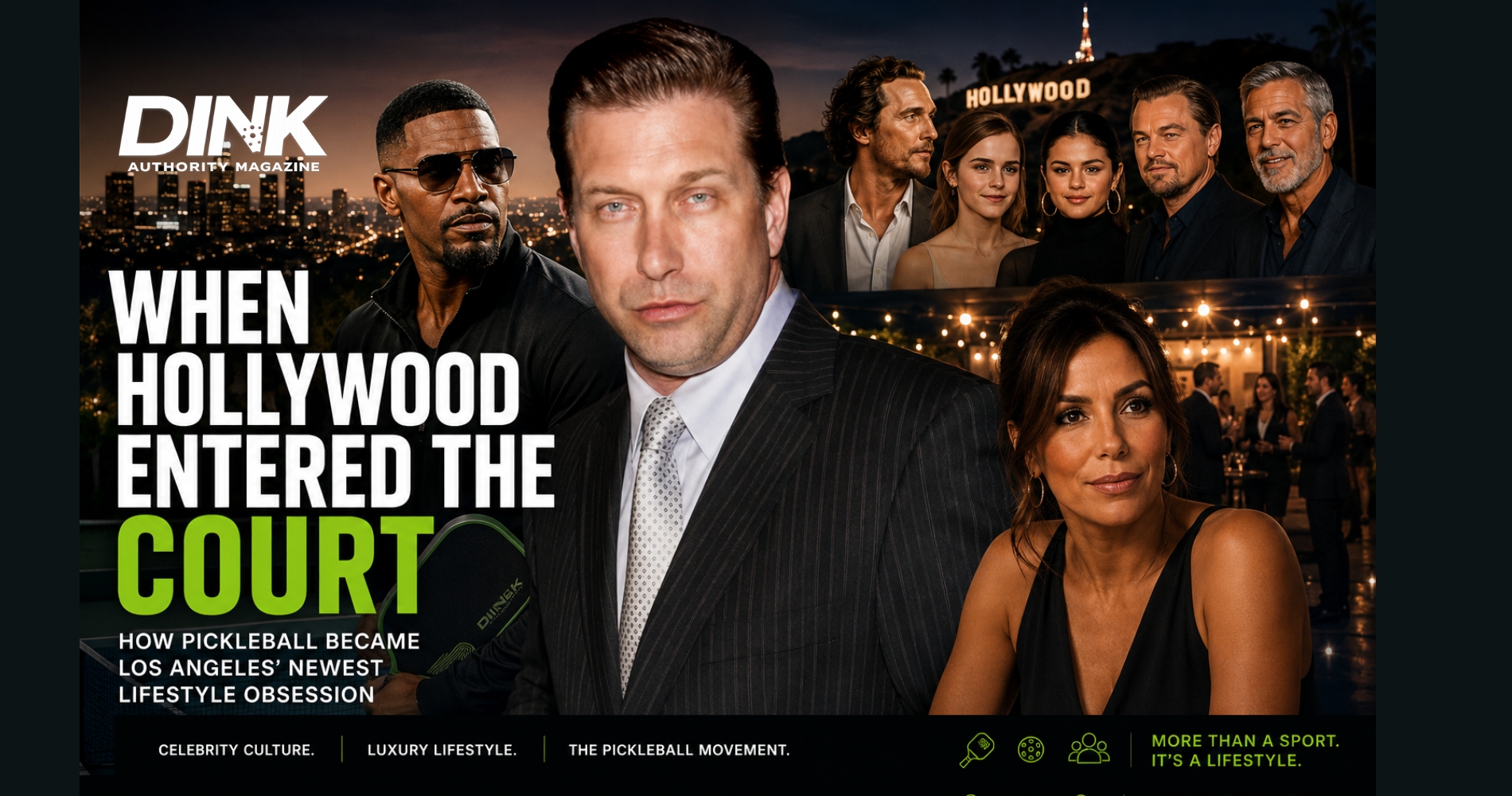
Stephen Baldwin became one of the early public figures helping bring visibility to the movement. His appearances at events, exhibitions and celebrity-driven gatherings connected pickleball with entertainment culture and helped move the sport beyond private circles.
Suddenly, pickleball was appearing in places once reserved for red carpets, galas and celebrity fundraisers.
And that helped reshape the public perception of the sport.
Because Hollywood has always worked the same way: once something becomes interesting to the right people, the rest of the industry starts paying attention.
Then came Jamie Foxx, and pickleball fully entered the language of the Los Angeles lifestyle scene.
Foxx quickly understood that the real potential of pickleball wasn’t only about competition. It was about everything happening around the court. His private gatherings in Los Angeles mixed music, celebrities, networking and entertainment in an atmosphere that felt closer to an exclusive Hollywood party than a traditional sports club.
Pickleball stopped looking recreational.
It started looking aspirational.
Modern.
Socially attractive.
And perfectly aligned with the culture of Los Angeles.
Producers, tech entrepreneurs, agents, musicians and actors began crossing paths around the courts. The sport offered something golf had started losing and tennis never fully delivered: closeness.
The courts were smaller.
LOVE PICKLEBALL?
Get Dink Authority Magazine updates, new editions, pro stories and event alerts.
We respect your privacy. Unsubscribe anytime.
The matches were faster.
The atmosphere was relaxed.
And almost anyone could jump in without feeling out of place.
That’s where pickleball found its perfect space inside Hollywood.
But the real leap happened when celebrities stopped only playing the sport and started investing in it.
Eva Longoria quickly understood that pickleball was more than entertainment. It was business. Her connection to investments tied to Major League Pickleball helped send a much stronger message to the industry: this wasn’t a temporary trend anymore.
Money was entering the sport.
Long-term vision was forming.
Brands were paying attention.
And, most importantly, the audience was growing at a pace impossible to ignore.
Longoria came to represent something essential in pickleball’s evolution: the bridge between celebrity, investment and cultural expansion. Because once Hollywood figures begin attaching both capital and reputation to a sport, public perception changes immediately.
And that’s exactly what happened.
Then came more names.
Matthew McConaughey.
Emma Watson.
Selena Gomez.
Leonardo DiCaprio.
George and Amal Clooney.
Some playing. Others attending private events. Others simply moving within the new social ecosystem growing around pickleball.
The list kept growing.
And with it, the sport’s status grew as well.
In Los Angeles, luxury properties started incorporating private pickleball courts into their identity. The swimming pool was still there, of course. But now it was being accompanied by something new: a court designed not only for competition, but for connection.
The postgame became part of the experience.
Outdoor lounges.
Private bars.
Music.
Long conversations after the match.
Pickleball was no longer only about winning points.
It became social context.
Networking.
Lifestyle.
And perhaps that’s the real reason the sport continues growing at such an incredible speed.
Because Hollywood didn’t just help make pickleball visible.
It helped give it a completely new identity.
The court stopped being only a sports venue.
It became a stage.
And when that happens in Los Angeles, the rest of the world usually starts watching.
When Hollywood Entered the Court
Pickleball stopped being a casual pastime and became a lifestyle movement growing at an incredible pace.
There was a moment when pickleball stopped feeling like just another sports trend. It didn’t happen during a televised championship or after a massive advertising campaign. It happened when Hollywood made it part of its routine.
In Los Angeles, the sport started showing up where modern cultural trends are born: private gatherings, luxury parties, multimillion-dollar mansions and exclusive social circles where the score mattered less than the conversations happening around the court.
That’s when everything changed.
Because pickleball discovered something very few sports ever achieve: becoming a social experience.
First came the celebrities casually playing matches. Then came the photos, viral videos and private events. Soon after came investments, VIP tournaments and luxury homes designed around pickleball courts as if they were now an essential architectural feature.
At some point, Hollywood stopped “trying” pickleball and started embracing it as part of its lifestyle.
Stephen Baldwin became one of the early public figures helping bring visibility to the movement. His appearances at events, exhibitions and celebrity-driven gatherings connected pickleball with entertainment culture and helped move the sport beyond private circles.
Suddenly, pickleball was appearing in places once reserved for red carpets, galas and celebrity fundraisers.
And that helped reshape the public perception of the sport.
Because Hollywood has always worked the same way: once something becomes interesting to the right people, the rest of the industry starts paying attention.
Then came Jamie Foxx, and pickleball fully entered the language of the Los Angeles lifestyle scene.
Foxx quickly understood that the real potential of pickleball wasn’t only about competition. It was about everything happening around the court. His private gatherings in Los Angeles mixed music, celebrities, networking and entertainment in an atmosphere that felt closer to an exclusive Hollywood party than a traditional sports club.
Current Issue
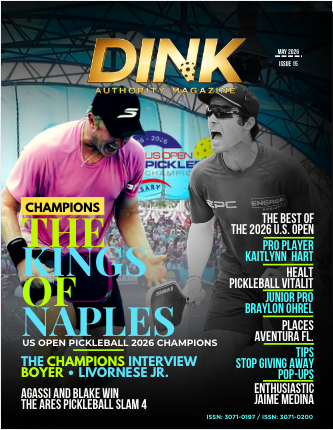
The Kings of Naples: Champions Take Center Stage in Dink Authority Magazine – May 2026
Read Now →
Pickleball stopped looking recreational.
It started looking aspirational.
Modern.
Socially attractive.
And perfectly aligned with the culture of Los Angeles.
Producers, tech entrepreneurs, agents, musicians and actors began crossing paths around the courts. The sport offered something golf had started losing and tennis never fully delivered: closeness.
The courts were smaller.
LOVE PICKLEBALL?
Get Dink Authority Magazine updates, new editions, pro stories and event alerts.
We respect your privacy. Unsubscribe anytime.
The matches were faster.
The atmosphere was relaxed.
And almost anyone could jump in without feeling out of place.
That’s where pickleball found its perfect space inside Hollywood.
But the real leap happened when celebrities stopped only playing the sport and started investing in it.
Eva Longoria quickly understood that pickleball was more than entertainment. It was business. Her connection to investments tied to Major League Pickleball helped send a much stronger message to the industry: this wasn’t a temporary trend anymore.
Money was entering the sport.
Long-term vision was forming.

Brands were paying attention.
And, most importantly, the audience was growing at a pace impossible to ignore.
Longoria came to represent something essential in pickleball’s evolution: the bridge between celebrity, investment and cultural expansion. Because once Hollywood figures begin attaching both capital and reputation to a sport, public perception changes immediately.
And that’s exactly what happened.
Then came more names.
Matthew McConaughey.
Emma Watson.
Selena Gomez.
Leonardo DiCaprio.
George and Amal Clooney.
Some playing. Others attending private events. Others simply moving within the new social ecosystem growing around pickleball.
The list kept growing.
And with it, the sport’s status grew as well.
In Los Angeles, luxury properties started incorporating private pickleball courts into their identity. The swimming pool was still there, of course. But now it was being accompanied by something new: a court designed not only for competition, but for connection.

The postgame became part of the experience.
Outdoor lounges.
Private bars.
Music.
Long conversations after the match.
Pickleball was no longer only about winning points.
It became social context.
Networking.
Lifestyle.
And perhaps that’s the real reason the sport continues growing at such an incredible speed.
Because Hollywood didn’t just help make pickleball visible.
It helped give it a completely new identity.
The court stopped being only a sports venue.
It became a stage.
And when that happens in Los Angeles, the rest of the world usually starts watching.