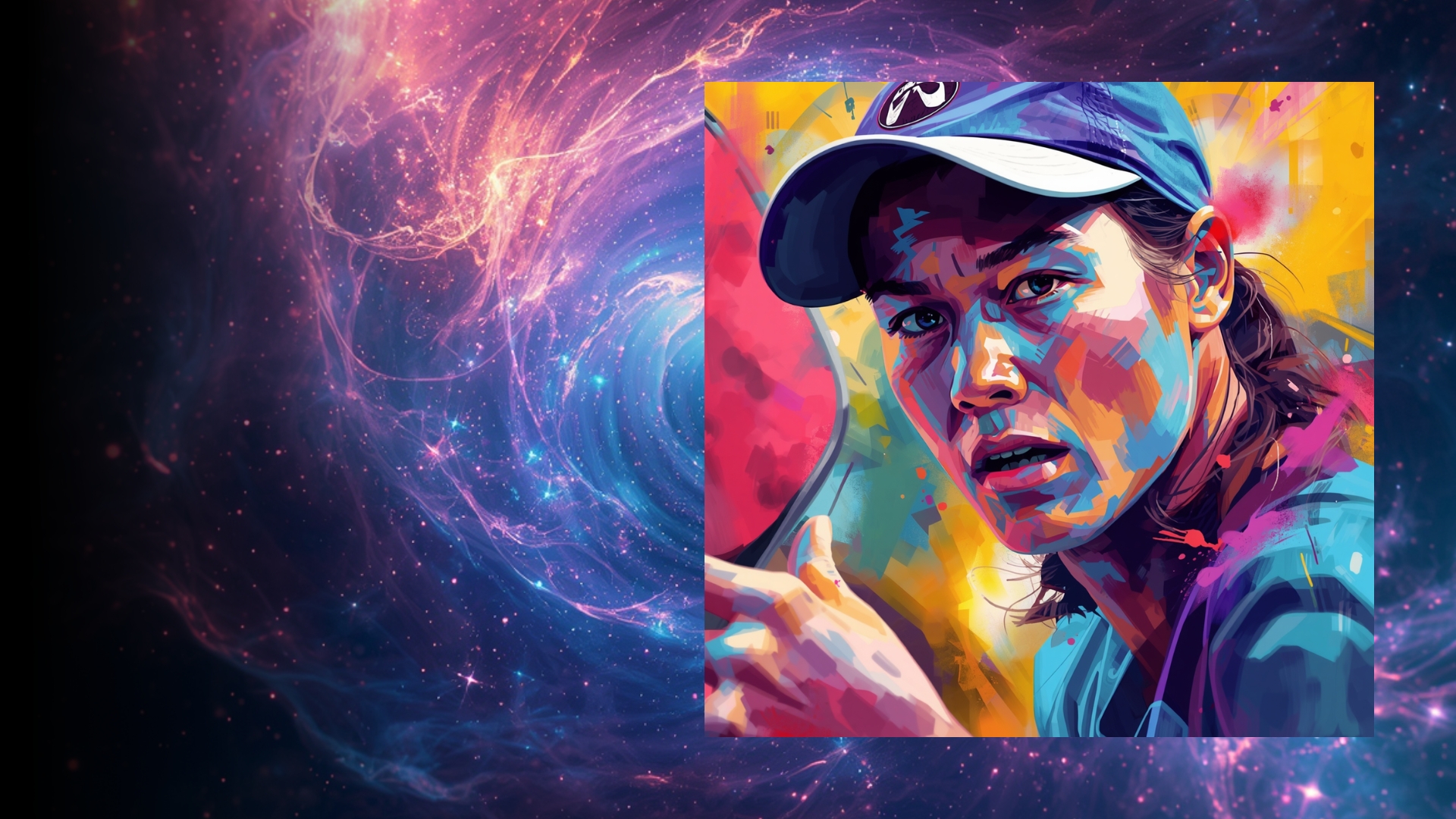
The New Language of Sport
The New Language of Sport
How Pickleball Redefined the Way Generations Connect
There’s something special happening inside the world of pickleball.
For decades, sports often belonged to clearly defined generations. Younger players competed among themselves, while older athletes watched from the sidelines or played in completely separate spaces.
Pickleball quietly changed that equation.
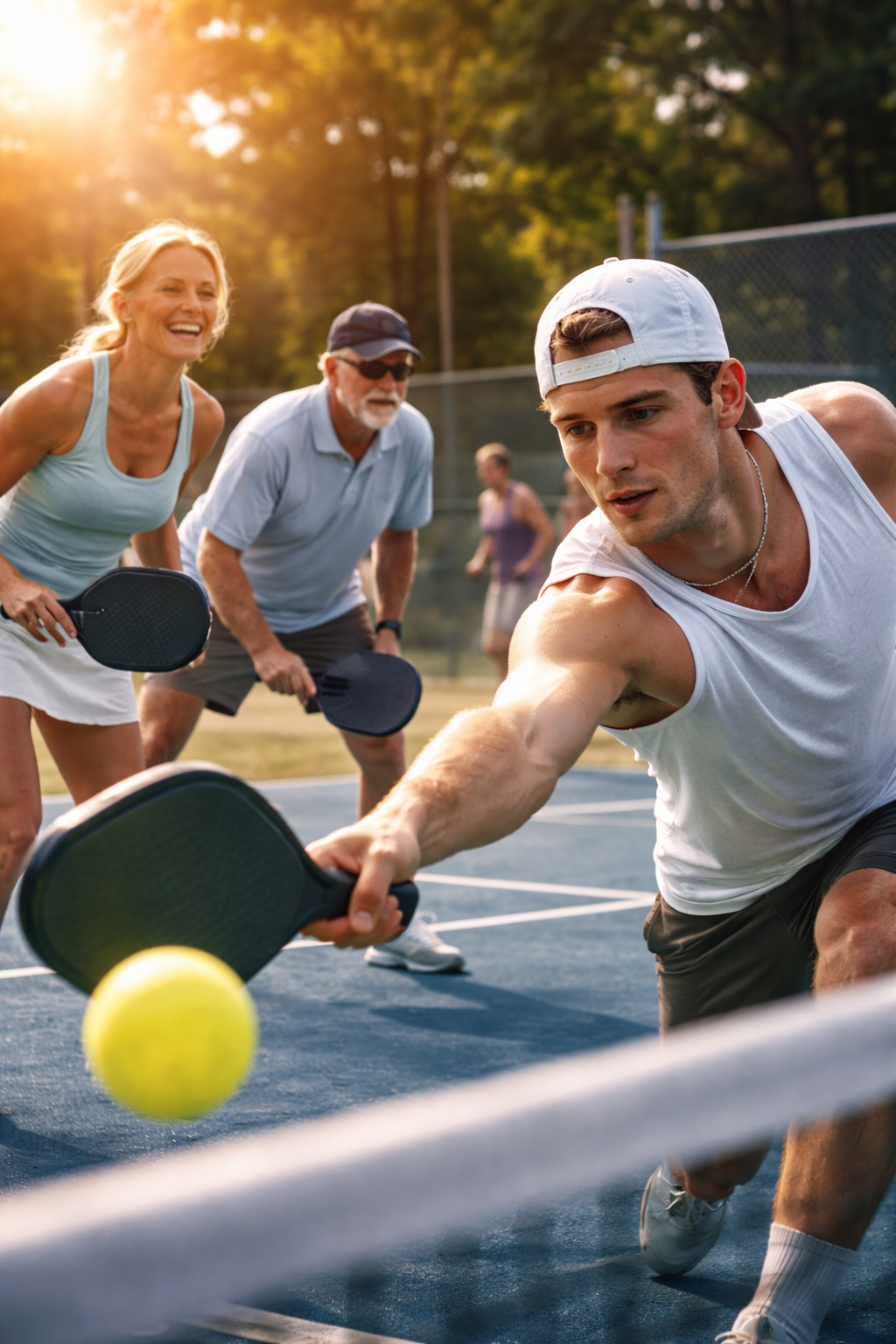
Today, it’s common to see teenagers sharing the same court with players in their forties, fifties, and even seventies — not as spectators, but as competitors.
And something powerful happens when that occurs.
A sport becomes more than a competition.
It becomes a language.
A Sport That Adapts to Everyone
The magic of pickleball is not only in its accessible rules or smaller court.
The sport adapts to the player.
LOVE PICKLEBALL?
Get Dink Authority Magazine updates, new editions, pro stories and event alerts.
We respect your privacy. Unsubscribe anytime.
A beginner can rally within minutes.
An advanced player can develop highly strategic patterns and fast-paced exchanges.
This duality is rare in modern sports.
It allows pickleball to be welcoming without ever losing its competitive depth.
More Than a Game, a Culture
Walk through any pickleball facility in the United States today and you’ll notice something unusual.
People stay long after their matches end.
They talk strategy.
They share stories.
They introduce new players.
Pickleball creates communities almost organically.
The court becomes a meeting point where experience, enthusiasm, and curiosity mix naturally.
A New Competitive Language
Professional pickleball continues to evolve rapidly.
New leagues, international tournaments, and professional circuits are shaping a competitive ecosystem that did not exist just a few years ago.
But what makes this evolution unique is that it never feels distant from the everyday player.
Amateurs and professionals still share the same courts, the same drills, and sometimes even the same tournaments.
That proximity creates a rare connection between the elite and the community.
The True Victory
Beyond trophies and medals, pickleball has achieved something rare in modern sports.
It has built a bridge.
A bridge between generations.
Between beginners and professionals.
Between competition and community.
And that may be the sport’s most important victory of all.
Because when a sport connects people across age, background, and experience, it becomes more than a pastime.
It becomes part of how we relate to each other.
And that language — simple, inclusive, and competitive — is exactly what pickleball is teaching the world.
The New Language of Sport
How Pickleball Redefined the Way Generations Connect
There’s something special happening inside the world of pickleball.
For decades, sports often belonged to clearly defined generations. Younger players competed among themselves, while older athletes watched from the sidelines or played in completely separate spaces.
Pickleball quietly changed that equation.
Today, it’s common to see teenagers sharing the same court with players in their forties, fifties, and even seventies — not as spectators, but as competitors.
And something powerful happens when that occurs.
A sport becomes more than a competition.
Current Issue
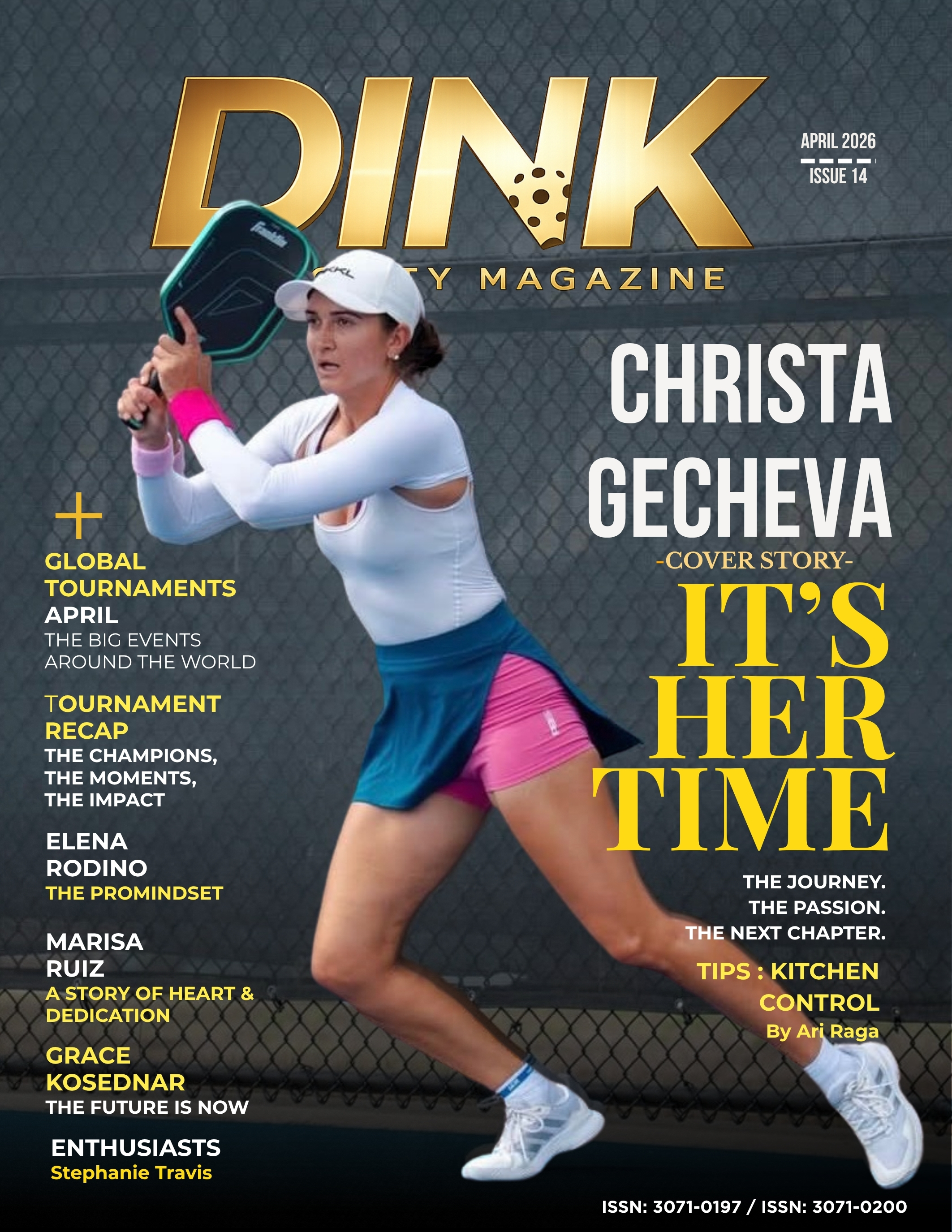
Dink Authority Magazine – April 2026
Read Now →
It becomes a language.
A Sport That Adapts to Everyone
The magic of pickleball is not only in its accessible rules or smaller court.
The sport adapts to the player.
LOVE PICKLEBALL?
Get Dink Authority Magazine updates, new editions, pro stories and event alerts.
We respect your privacy. Unsubscribe anytime.
A beginner can rally within minutes.
An advanced player can develop highly strategic patterns and fast-paced exchanges.
This duality is rare in modern sports.
It allows pickleball to be welcoming without ever losing its competitive depth.
More Than a Game, a Culture
Walk through any pickleball facility in the United States today and you’ll notice something unusual.

People stay long after their matches end.
They talk strategy.
They share stories.
They introduce new players.
Pickleball creates communities almost organically.
The court becomes a meeting point where experience, enthusiasm, and curiosity mix naturally.
A New Competitive Language
Professional pickleball continues to evolve rapidly.
New leagues, international tournaments, and professional circuits are shaping a competitive ecosystem that did not exist just a few years ago.
But what makes this evolution unique is that it never feels distant from the everyday player.
Amateurs and professionals still share the same courts, the same drills, and sometimes even the same tournaments.

That proximity creates a rare connection between the elite and the community.
The True Victory
Beyond trophies and medals, pickleball has achieved something rare in modern sports.
It has built a bridge.
A bridge between generations.
Between beginners and professionals.
Between competition and community.
And that may be the sport’s most important victory of all.
Because when a sport connects people across age, background, and experience, it becomes more than a pastime.
It becomes part of how we relate to each other.
And that language — simple, inclusive, and competitive — is exactly what pickleball is teaching the world.